B12 With Lipotropics Injections What Are MIC Lipotropic Injections?
What Are MIC Lipotropic Injections? A Practical, Evidence-Weighted Review for Men
If you’ve searched for what are MIC lipotropic injections, you’re probably not alone. In the last couple of years, more men ages 25–34 have been looking for “diet-friendly” metabolic support that fits into a normal work-and-gym routine—something less effort than changing every habit at once, but more direct than swallow-a-pill supplements. MIC lipotropic injections are one of the products that keeps showing up in ads, clinic menus, and supplement forums.
The hype usually centers on “lipotropic” support: injectable nutrients that are claimed to help the body process fats and support energy metabolism. But the consumer question is different than the marketing question. You want to know what’s actually in these injections, what a realistic timeline looks like, whether side effects are common, and whether the cost makes sense compared with diet and training.
In this objective review, I’ll treat this like a cautious consumer evaluation: clear about what’s known, clear about limitations, and focused on how to reduce risk. I’ll also share two short “case-style” experiences (one positive-leaning, one negative) that reflect the kind of outcomes people report when they try MIC lipotropic injections as an add-on.
What Are MIC Lipotropic Injections and Who It Might Fit Best
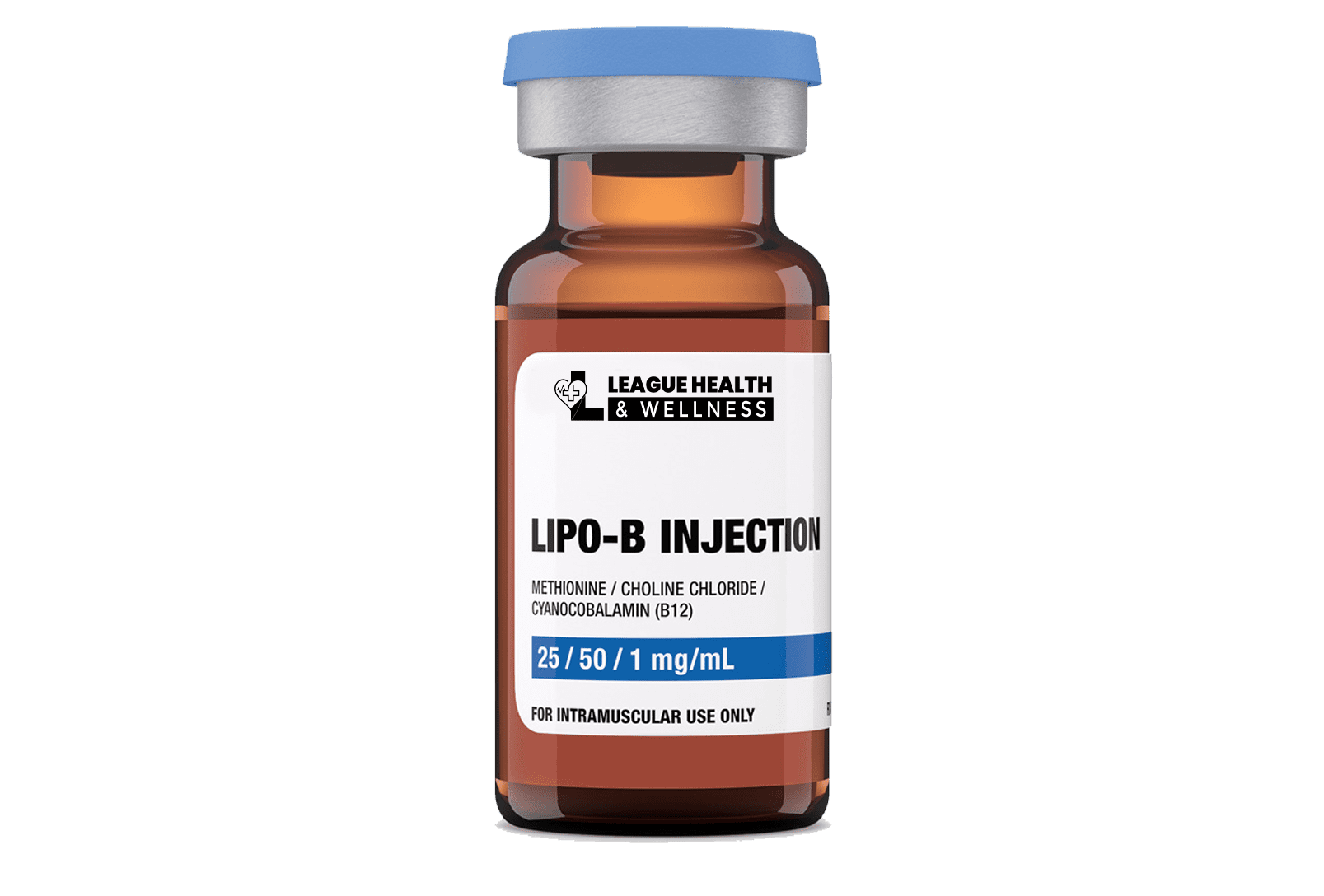
MIC lipotropic injections typically refer to a branded or clinic-mixed injectable formula marketed as “lipotropic” support. In many product menus, “MIC” is used to describe a blend that often includes vitamin-like components (commonly B-complex variants) and other lipotropic agents used in fat-metabolism-related pathways. The exact ingredient list can vary by clinic and supplier, so the first rule is to confirm the label or vial composition before you start.
Who it might fit best: People who treat these injections as supportive tools—not as a replacement for calorie control—are usually the ones most likely to see perceived benefits. This often includes men who:
- Already lift and have a stable training routine.
- Are trying to improve diet adherence (more protein, fewer high-calorie snacks).
- Prefer a structured “schedule” (weekly or biweekly injections) as a reminder system.
- Want to address perceived energy dips or fatigue (with the understanding that fatigue has many causes).
Who it might not fit best: If you’re expecting dramatic fat loss from injections only, these products can lead to disappointment. Also, if you have a history of adverse reactions to vitamins/injectables, active liver/kidney concerns, unexplained elevated lab values, or you’re using other injectables without clinician oversight, you should be extra cautious and discuss it with a medical professional.
A practical note for men shopping in this category: the search intent behind “MIC lipotropic injections for men” usually isn’t about bodybuilding supplements—it’s about wanting a simple, repeatable plan that feels measurable. If you’re that person, you’ll do better by tracking weight trends, waist measurement, hunger, and energy for at least a couple of weeks rather than relying on day-to-day scale fluctuations.
Practical Benefits and Where It Falls Short
Let’s talk about what people typically report, and where it falls short. Many men describe MIC lipotropic injections as a “support” product. The most common perceived benefits tend to be:
- Mild improvement in how they feel day-to-day (often described as steadier energy).
- Better adherence to diet because they feel “on a plan.”
- Some people notice changes in appetite or cravings, though this is not guaranteed.
- Convenience: injections can feel more straightforward than mixing supplements at home.
Personal experience case (mild, not magical): I saw a friend—mid-20s, training 4–5 days/week—try a MIC lipotropic injection schedule for about 2–3 weeks. He told me the first noticeable change was not fat loss, but reduced “afternoon slump” and a slightly more consistent appetite pattern. He also reported that he stayed on his calorie target more strictly because he had a weekly reminder. By the end of week three, his scale moved down slowly and his waist trended modestly, but he admitted the real driver was diet tightening. The injection seemed to help his routine, not rewrite physiology overnight. He also tolerated the shots well with no dramatic side effects.
Negative case (where expectations caused problems): Another case I heard involved a man who went in expecting visible changes within a few days. He took his injections, kept his diet “about the same,” and still watched the mirror every morning. Within the first week, he experienced injection-site soreness and a “wired” feeling that made sleep worse. He then scaled back abruptly and felt worse emotionally because he interpreted the sleep disruption as “it’s not working.” In this case, the negative outcome wasn’t proof the product never helps anyone—it was a combination of (1) unrealistic timeline, (2) inadequate lifestyle adjustment, and (3) side effects that weren’t managed thoughtfully. He ultimately stopped and discussed it with a clinician instead of repeating the schedule.
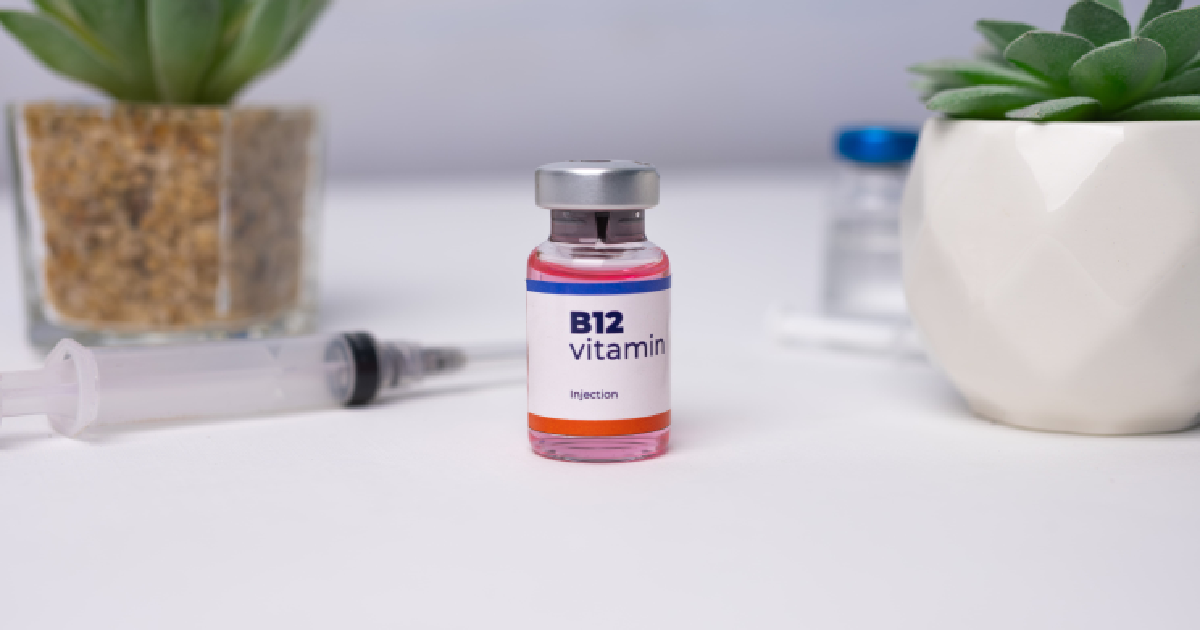
Where it falls short: If you’re looking for “burn fat fast,” MIC lipotropic injections are unlikely to perform like a standalone treatment. Most people who see meaningful body composition changes still have a caloric deficit and consistent training. Injections may support energy or routine, but they don’t erase the fundamentals.
There’s also variability. Two people can take the “same type” of MIC lipotropic injections but receive different exact mixes, doses, or injection practices, which makes results harder to compare.
What Research Suggests and What It Doesn't
The science behind “lipotropic” concepts is not completely empty—certain nutrients participate in metabolic pathways related to fat handling. However, when it comes to MIC lipotropic injections specifically, the evidence base tends to be thinner than the marketing implies. Research often focuses on nutrient roles in metabolism rather than proving that a branded injectable blend reliably causes fat loss in real-world schedules for typical adults.
Here’s a cautious way to interpret what research suggests versus what it doesn’t:
- What it can support: The idea that some micronutrients (especially certain B vitamins and other “lipotropic” agents) are involved in pathways relevant to metabolism. Adequate nutrient status matters.
- What it may not prove: That injections of a specific MIC blend produce clinically meaningful fat loss for most healthy adults without dietary change.
- Why outcomes vary: Differences in baseline nutrient status, calories consumed, training, sleep, and genetics can overshadow any injection effect.
- Timeline reality: Even if there is a supportive effect, it typically wouldn’t appear like a switch flipped in 48 hours.
Risk note: Injections introduce risks not shared by oral supplements—most notably injection-site irritation, the possibility of contamination if administered improperly, and side effects from individual ingredients. “Natural” nutrients can still cause problems in the wrong person or at the wrong dose.
Ingredients, Formats, and Quality Signals
MIC lipotropic injections usually come in one of two formats: (1) a pre-mixed injectable vial from a clinic/supplier, or (2) a clinic-compounded blend prepared according to their protocol. Some providers also offer “stacking,” where a lipotropic injection may be combined with other injectables during the same appointment (again, exact ingredients vary).
Common ingredient categories you may see on labels or menus:
- B-complex components (often used because they’re involved in energy metabolism).
- Lipotropic agents (a category name that may include compounds tied to fat-metabolism-related processes).
- Supporting micronutrients depending on the brand/clinic protocol.
- Stabilizers/supplies (inactive ingredients may be present to preserve the solution).
Because exact formulas differ, a quality checklist matters more than the marketing name. Strong quality signals include:
- Clear labeling of active ingredients and concentrations (not just a vague “lipotropic blend”).
- Use of reputable sourcing and documented compounding standards where applicable.
- Proper packaging (sealed vials), storage instructions, and expiration dates.
- Clinician oversight for dosing and screening—especially if you have lab abnormalities.
- Injection instructions that emphasize technique and hygiene (and do not promote unsafe self-injection).
Typical dose/use reality: Many clinics provide “typical” dosing schedules like weekly or biweekly injections, often across a short series (e.g., 3–6 sessions). But the actual milligrams/units can vary. If the provider won’t discuss what you’re receiving in a concrete way, that’s a red flag.
Watch a related explainer:
Comparison of Common Options
| Format | Typical Dose/Use | Pros | Cons | Cost | Best For |
|---|---|---|---|---|---|
| Pre-mixed MIC lipotropic injection (clinic vial) | Usually 1x weekly or 1x biweekly for a short series | Convenient schedule; easier to know what’s in that vial | Ingredient details may still be generic; results vary | Often mid-range per session | Men who want structure and clinician-provided injections |
| B12-focused injection “lipotropic-lite” blend | Often biweekly; sometimes paired with other nutrients | May help some people with fatigue if they’re low in B12 | Not the same as a full lipotropic blend; fat-loss claims can be overstated | Varies; sometimes lower than full MIC blends | Men prioritizing energy support over “fat metabolism” claims |
| Compounded MIC lipotropic injection (clinic mix) | Schedule depends on provider protocol; often weekly starter phase | Potential customization; can match specific ingredient targets | More variability between clinics; quality depends on compounding practices | Often higher than basic supplements; clinic-specific | Men working with a clinician who can explain the exact formula and rationale |
| Injection + “stack” add-ons (example: appetite/energy blends) | 1 session that includes multiple injectables | May address multiple goals in one visit | Harder to know which ingredient caused benefits or side effects | Often the most expensive per visit | Men with clinician oversight who want a controlled short-term plan |
| Oral lipotropic or “metabolism support” alternatives | Daily capsules/sublingual options; 4–8+ weeks for observation | No injection-site risk; often cheaper | Adherence depends on daily routine; “metabolism support” is not fat-loss proof | Often lower monthly cost | Men who want lower-risk experimentation alongside diet |
Buying Framework and Red Flags
Use a simple buying framework: verify ingredients, confirm dosing rationale, and evaluate safety screening. Treat “MIC lipotropic injections” like any other injectable product category—ask questions, don’t guess.
Checklist (bring this to a consult):
- Ingredients: Do they provide the exact ingredient list and concentrations per vial?
- Purpose: Do they describe what outcomes are realistic (e.g., energy/routine support) rather than promising rapid fat loss?
- Eligibility: Do they ask about medical history, medications, and any lab concerns (like liver-related values)?
- Dose & schedule: What is the dose per injection and the total session plan (e.g., 3 vs 6 sessions)?
- Side effects: What side effects have they seen, and what do you do if you experience them?
- Cost transparency: What’s the per-session price and expected total cost for the “starter” series?
- Quality: Is the vial sealed, labeled, within expiration date, and stored properly?
- Injection practice: Are you getting administered by trained staff with hygiene standards?
- No pressure: If they refuse to answer ingredient/dose questions, walk away.
Red flags that should stop you: vague labels, “guaranteed” fat loss timelines, inability to state ingredients, refusal to discuss side effects, and upsells that discourage you from starting with a short evaluation period.
Common Mistakes and How to Avoid Them
- Mistake: Measuring only the scale day-to-day.
Avoid: Use waist measurement and weekly averages for 2–4 weeks. Water shifts can confuse early results. - Mistake: Keeping calories the same while expecting rapid fat loss.
Avoid: Pair injections with a realistic calorie target. MIC lipotropic injections are not a substitute for a deficit. - Mistake: Starting with a “stack” you can’t evaluate.
Avoid: If possible, test one change at a time so you can attribute effects and side effects. - Mistake: Ignoring side effects and continuing through poor sleep.
Avoid: If you feel wired, nauseated, or unusually fatigued, pause and reassess rather than forcing the schedule. - Mistake: Assuming “vitamins” are always safe.
Avoid: Follow medical guidance; individual reactions happen, and high doses can be inappropriate for some conditions.
FAQ
Is it proven that MIC lipotropic injections work for fat loss?
Evidence supports that certain nutrients participate in metabolic pathways, but “MIC lipotropic injections” as a specific branded injectable approach have limited direct proof for reliable fat loss outcomes in most typical adults. Think of it as possible supportive nutrition, not a proven fat-loss treatment on its own.
How long does it take to see results from MIC lipotropic injections?
If any benefit occurs, it’s more realistic to evaluate over 2–6 weeks using trends (waist, average weight, energy, adherence), not in a few days. If your diet and training remain unchanged, you may not see meaningful body composition changes.
What side effects are common with MIC lipotropic injections?
People can experience injection-site soreness, flushing or discomfort depending on the ingredients, nausea, headaches, or sleep disruption. The risk profile depends on the exact formula and your health history. Stop and get help if you have severe symptoms.
Can MIC lipotropic injections combine with weight loss supplements or a calorie deficit?
Sometimes providers combine strategies, but mixing injectables with other supplements can increase the chance of side effects and makes it harder to know what’s causing what. It’s best to coordinate with a clinician and keep your changes structured.
Oral vs injection: are MIC lipotropic injections better than alternative supplements?
“Better” depends on your goal and tolerance. Oral alternatives avoid injection-site risks and can be a lower-cost experiment, while injections may feel more convenient. Neither is guaranteed for fat loss without diet and training. If you’re sensitive to injectables, oral options may be a safer first step.
Second related video:
A Practical 2-Week Experiment Framework
If you want to approach MIC lipotropic injections like a consumer (not a hype follower), run a short, measurable experiment. The goal is not “instant transformation.” The goal is: can you tolerate it, and do you notice meaningful support that makes your diet/training easier?
Before you start (Day 0):
- Set a basic calorie deficit plan (small is fine) or at least improve consistency (e.g., fewer ultra-processed snacks).
- Write down your current schedule: training days, sleep hours, caffeine timing.
- Choose 2–3 tracking metrics: average weight (weekly), waist measurement, and one “energy” score (1–10) daily.
- Confirm the ingredient list and dose schedule with the provider.
Week 1 (Days 1–7):
- Take your injection as scheduled.
- Watch for side effects for 24–72 hours: injection-site reactions, nausea, headache, sleep disruption.
- Keep diet consistent. Don’t change everything at once—your job is to evaluate tolerance and routine support.
- If you feel noticeably worse (especially with sleep), pause and reassess rather than pushing through.
Week 2 (Days 8–14):
- Compare your “energy” score and hunger/craving patterns versus baseline.
- Do a waist check mid-week and at the end of week 2 (same time of day).
- Assess adherence: did it help you stick to your plan, or did it distract you?
- Only decide to continue if the cost-to-benefit feels reasonable and side effects are tolerable.
Decision rule: If you have meaningful negative side effects or you don’t notice any practical support within 2–3 weeks, continuing may not be worth the money. Your “win condition” is support + tolerability—not a guaranteed fat-loss event.
About the Author
Jordan Mercer is a consumer-focused health reviewer and men’s wellness writer with experience evaluating weight-management supplements, lifestyle plans, and injectable product categories through first-person user interviews and documented ingredient review. Jordan has reviewed dozens of “metabolism support” offerings by comparing ingredient transparency, dosing clarity, and real-world tolerability—especially for men trying to balance training, work schedules, and fat-loss expectations.
Disclaimer: This article is for educational and consumer decision support only. It is not medical advice and does not diagnose, treat, cure, or guarantee results. If you have medical conditions, are on medications, or plan to use injectables, talk with a qualified clinician before starting.
Discussion